The best AI influencer examples are not interchangeable. A fashion-house avatar with a record deal, a retailer’s mascot with millions of followers, and a persona selling fan subscriptions all get called “AI influencers”, yet they earn in completely different ways. Sorting real examples by how they make money tells you more than a list of names, because the business model decides what you can copy. This guide walks through six well-documented personas, groups them into four models, and ends with what a solo operator can realistically take from each. Where earnings are reported, they come from the people running the persona.
Which AI influencer examples are worth studying?
Six personas cover most of what the famous AI influencers have to teach, and they work as virtual influencer examples for each business model: Lil Miquela, Imma, Noonoouri, Lu do Magalu, Shudu, and Aitana Lopez. They were all built by different teams for different reasons, and that spread is the point. Each one lands in one of four business models.
| Persona | Built by | Business model | Where the money comes from |
|---|---|---|---|
| Lil Miquela | Brud (US startup) | Brand ambassador | Campaigns with fashion and tech brands |
| Imma | Aww Inc / ModelingCafe (Japan) | Brand ambassador | Retail and fashion campaigns |
| Noonoouri | Joerg Zuber (Germany) | Artist and model | Luxury campaigns, a Warner Music deal |
| Lu do Magalu | Magazine Luiza (Brazil) | Company mascot | The retailer’s own marketing budget |
| Shudu | Cameron-James Wilson / The Diigitals | Agency roster | Digital modelling commissions |
| Aitana Lopez | The Clueless (Spain) | Fan-platform persona | Subscriptions, plus modelling work |
Only the last row is a business a solo operator can start tomorrow with no client list and no brand relationships. The first five are worth studying for how they were positioned, but the route to income they took is not open to someone starting from zero.
Brand ambassadors: Lil Miquela and Imma
Lil Miquela launched on Instagram in April 2016, built by the US startup Brud, and has since collected a following in the low millions along with campaign work for brands including Calvin Klein and Prada. In 2020 she signed with Creative Artists Agency, a detail that tells you how seriously the talent business treated her. Her revenue is client work, which means it depends on a team that can pitch and deliver to a brief.
Imma is the Japanese counterpart, developed by Aww Inc with CGI originally produced by ModelingCafe. Her best-known job was a 2020 IKEA campaign for its Harajuku store in Tokyo, where she appeared to live in a small apartment displayed in the shop windows. The campaign worked because the persona had a believable daily routine that matched the product being sold.
The lesson from both is positioning, not pixels. Brands paid for a distinct character with a clear audience. Neither persona is a model for a one-person business, because the buyer is a marketing department and the sales cycle is long. If brand work interests you as a later revenue path, the shift is covered in why brands are switching to AI.
Artist and mascot: Noonoouri and Lu do Magalu
Noonoouri is a stylised, cartoon-like digital model created in 2018 by the Munich-based designer Joerg Zuber. She has worked with Dior, Versace, Valentino, and Marc Jacobs, is represented by IMG, and in 2023 became the first digital artist to sign with Warner Music, releasing a single called “Dominoes”. Her voice is AI-generated from a human singer’s recording. She is a clear case of a persona that stretches past social media into a second product, music.
Lu do Magalu runs on a different logic. Magazine Luiza, one of Brazil’s biggest retailers, created her in 2003 to guide shoppers through its online store, and by 2009 she was appearing in video tutorials. Today she is regularly described as the most-followed virtual influencer in the world, with several million followers across Instagram and TikTok and more on Facebook. Her owner is also her only essential client, so every post promotes the shop that pays for her.
Lu is the most useful example for understanding why AI personas persist. She is not a novelty. She is a tireless spokesperson who has never missed a shoot or left for a competitor. That same reliability is what makes the format attractive for agency operators managing several profiles.
Agency roster: Shudu
Shudu came out of a garden shed in 2017, when photographer Cameron-James Wilson began building what became The Diigitals, billed as the first all-digital modelling agency. A Fenty Beauty-style image of Shudu that Fenty itself reposted pushed her into view in 2018. She also drew criticism: many people objected that a Black model was created by a white man, and Wilson changed his hashtags to make clear she was not a real person.
Two things follow. First, an agency roster can earn from commissions without the persona having a huge following of her own, because the client is buying images. Second, the ambiguity problem is real. Audiences and brands now expect clear labelling, and a persona presented as a real person invites exactly the backlash Shudu’s creator ran into.
Fan-platform persona: Aitana Lopez
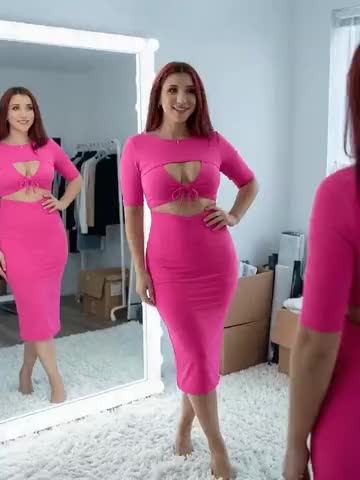
Aitana Lopez is the example that matters most for this site’s readers, because her income model is the one an individual can run. The Clueless, a Barcelona agency, built her as a pink-haired fitness and lifestyle model who sells content on subscription platforms alongside modelling work. Her creators have reported a typical month of around three thousand euros and a best month near ten thousand. Treat those as agency claims, not audited accounts. The full story, including what is and is not copyable, is in our Aitana Lopez case study.
What separates this model from the others is the buyer. There is no marketing department to convince. Income comes from individual subscribers paying a platform, which makes it small per customer but available from day one. The mechanics of how platforms treat AI creators are laid out in how AI OnlyFans accounts work.
What every example has in common
Look across the six and the traits repeat, whatever the business model:
- A specific character with a point of view, not a generic pretty face
- A face that stays recognisably the same from post to post
- A clear reason for someone to pay, whether a brand, a retailer, or a subscriber
- Years of steady output behind the follower count
The third point is the one beginners skip. Lil Miquela and Lu do Magalu both took years to build their audiences, and the follower figures people quote are the result of that time. If you want to see what early-stage numbers look like, how much AI influencers make breaks earnings down by stage instead of by headline.
Consistency deserves its own mention, because it is where amateur personas fail first. A face that drifts between posts reads as several different people and breaks the illusion. The techniques for avoiding it are covered in the guide to a consistent AI character.
Which example should an operator copy?
Match the model to your starting position. With no audience and no brand contacts, the fan-platform model is the only one with a realistic first-month path, and it is also the least glamorous. If you already run an agency or have client relationships in fashion or retail, the brand-ambassador and roster models become plausible, though they need a persona with a polished, distinctive identity.
Be sceptical of any example that arrives without a business model attached. A follower count is not revenue, and a famous name is not a template. The useful question to ask of each persona is who pays, how often, and what it cost to reach that point. Asked that way, these examples stop looking like a gallery of lucky outliers and start looking like four distinct paths, each with a different entry cost and a different time to first income. For the broader definitions behind all of this, start with what an AI influencer is.
If you want the persona and platform setup handled so you start from a running profile, Hunaipot builds it for you. Get your AI creator built for you.