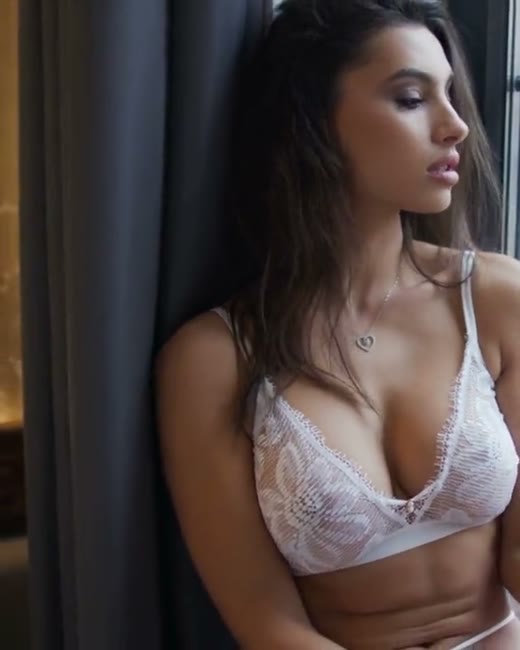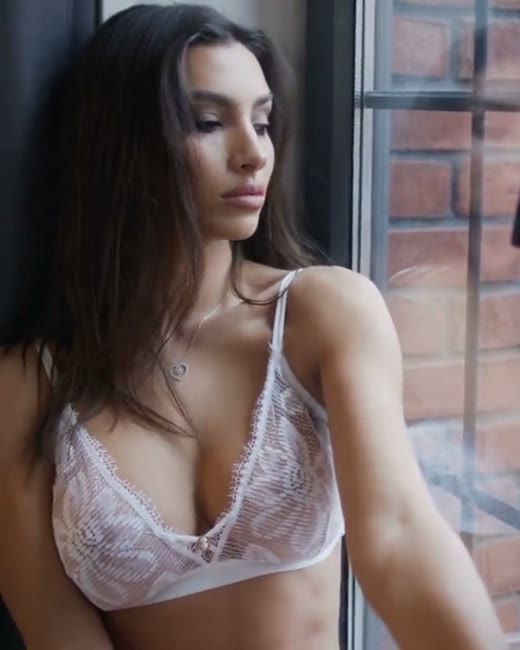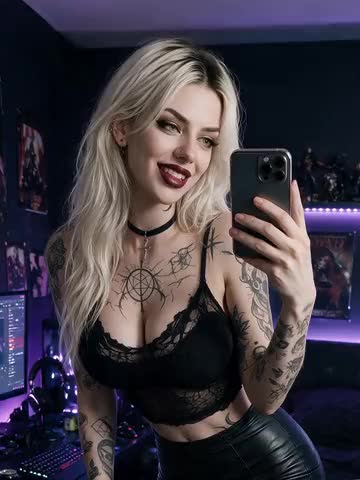
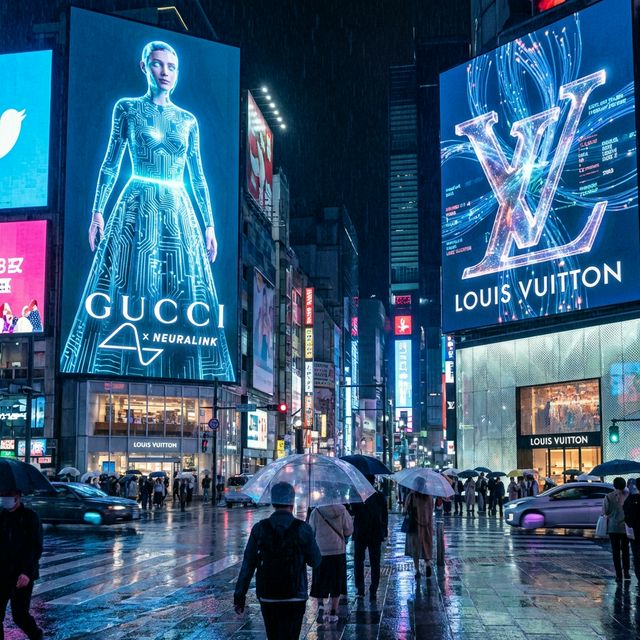
Brands switching to AI is easy to describe and easy to overstate. Fashion, beauty and gaming labels have been testing virtual faces since Lil Miquela landed her first brand deals in 2018, and the number of campaigns built around synthetic personas keeps growing. What is rarely explained is the reasoning. The shift is not driven by better content. It is driven by a handful of operating problems that a human creator cannot fully solve.
This post walks through those problems, where the substitution stalls, and what it means if you run a creator business of your own.
Why are brands moving away from human influencers?
For a brand paying for an influencer, a person is a single point of failure. A creator can say something that resurfaces badly, change direction, move to a competitor, or simply stop posting. The contract limits the damage but does not remove it, and a campaign pulled halfway through is expensive in a way no clause refunds.
An AI model has no past to resurface and no opinions of its own. Every caption is written or approved by someone on the brand side. That is the whole appeal for brands using AI influencers: predictability, not charisma.
It also changes ownership. A human creator’s audience belongs partly to the creator, which is why talent agencies take 20–50% and why losing the talent means losing the audience. With a persona the brand or agency built, the character, the content library and the following are one asset it controls. The head-to-head comparison of AI and human models sets out the operational side of that in a table.
Speed and volume
Production is the second pressure. A conventional shoot means a location, a photographer, wardrobe and travel, and the schedule is measured in weeks. As an illustration (our estimate, not a quote): a single destination shoot with a small crew can plausibly run into five figures once flights and hotels are included, while a generated image costs cents in compute.
The saving is real, but the speed matters more. If a format starts trending on Tuesday morning, a team running a generated persona can have content out by the afternoon. A human creator needs to be briefed, available, styled and in the right place.
There is a second-order effect on testing. A brand can generate ten visual directions for a campaign, show them to a small audience, and keep the two that hold attention, all before a human shoot would even be booked. Creative teams use that as a cheap way to learn what a persona’s look should be, then commit budget to the version that earned it. It is a quieter benefit than the headline cost saving, and for many marketing teams it is the one that sticks.
Cheap does not mean free, though. Consistency across hundreds of images needs a trained character model, a disciplined prompt library and someone who can reject the outputs that drift. Brands that skip that discipline end up with a face that subtly changes between posts, and audiences notice.
Fan platforms went first
Mainstream brands are cautious. The adult fan-platform market moved earlier because its economics reward exactly what a persona offers: constant availability and a controllable supply of content.
On a platform that takes about 20% of subscription revenue, the constraint on a human creator is time. She cannot answer every message or post every day, and many creators hire third-party chatters who write as her. A persona backed by a chat model fine-tuned on its voice can reply at any hour, so the cost of an extra conversation approaches nothing. We go through the money in the economics of AI influencers, including how thin the margin math gets once tooling and promotion are counted.
Be careful with claims that this lifts retention by some fixed multiple. Nobody publishes audited figures for it, and the numbers floating around the industry are usually one operator’s best month. Treat retention as something to measure on your own profile.
Where the substitution stalls
The case against deserves its own section, because it limits how far the trend goes.
Trust does not transfer. Influencer marketing works because a recommendation comes from someone the audience believes. A character cannot vouch for a product it has never used, and audiences increasingly know the difference. Where the endorsement carries real weight, such as health, finance or anything personal, a human still wins.
Disclosure is tightening. The FTC’s endorsement guidance for influencers makes no exception for a character that was generated instead of filmed, and campaigns built on a synthetic persona need clear labelling. A plan that quietly depends on the audience not noticing has a compliance problem attached.
Backlash is category-specific. Beauty and fitness brands that use synthetic bodies draw criticism a stock photo would not, because the imagery makes a claim about what a real person can look like.
So the honest framing is substitution at the margin, not wholesale replacement. Brands move fastest where consistency and volume matter more than personal endorsement.
What should a brand check before using an AI influencer?
A brand that decides to try a synthetic persona still has decisions to make, and most of the failures come from skipping them.
Start with who owns the face. If an agency built the persona, the contract should say that the brand owns the character, the trained model and the content library, and that nothing prevents the agency from selling the same face to a competitor. Ask next what happens to the model files if the relationship ends.
Then settle disclosure before launch, not after the first complaint. Decide where the label sits, whether it appears on every post or only in the bio, and who approves the wording. Platform rules differ, and some fan platforms ask for AI content to be tagged at upload.
Finally, set a kill threshold. Pick a number, such as engagement per post or cost per enquiry, and a date. A persona that cannot beat a modest human creator on that number after a fair test is a hobby, not a channel. Brands that treat it as an experiment with an exit tend to learn something. The rest drift.
What this means if you run a creator business
You are not competing with one person taking selfies. You are competing with operators who treat a persona as a managed asset and can run several at once. Our 2027 predictions for AI creators cover where that goes next.
The practical takeaway is narrower than the hype. Pick one niche, build one persona that stays consistent, and measure what it earns before you add a second. Brand deals, if they come, are a bonus on top of an audience you already own. Whether you build it yourself or pay for the build is a question of how much of the craft you want to learn.
Hunaipot builds the persona, generates the content library and sets up the fan-platform profile, so you can run an AI creator business without ever appearing on camera. Get your AI creator built for you.