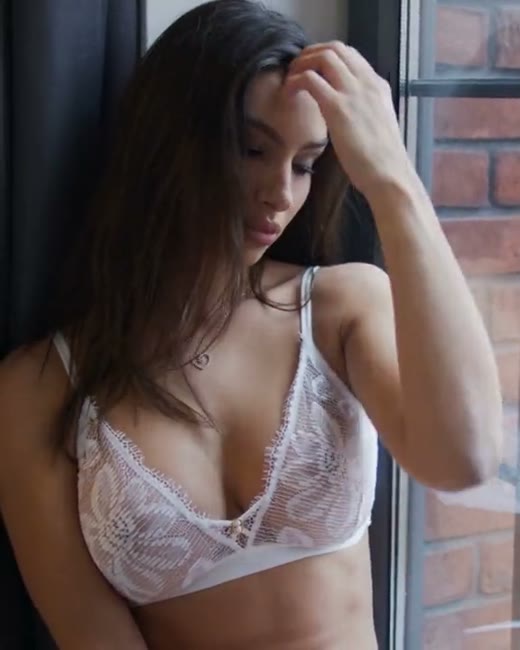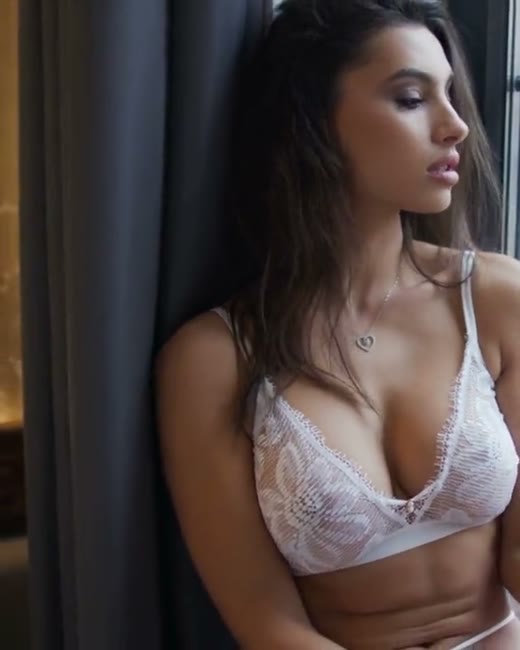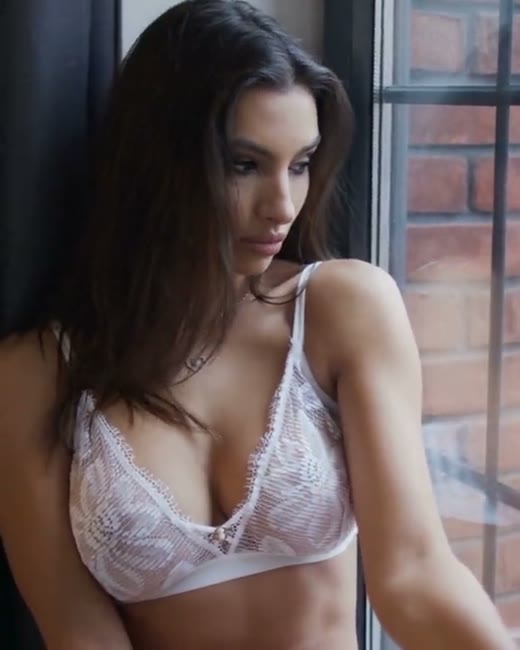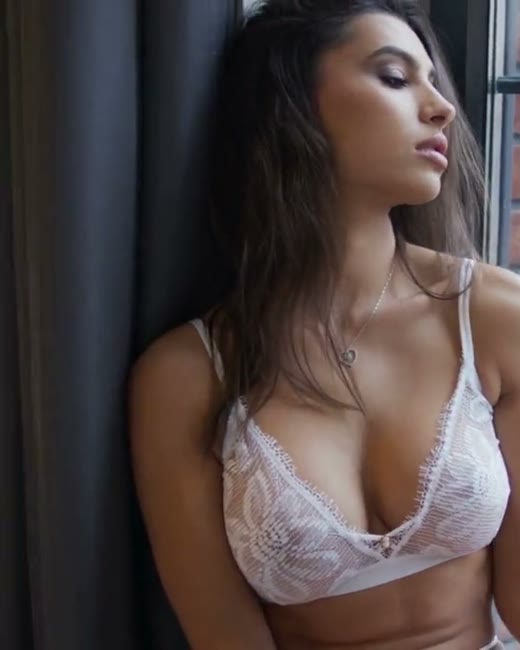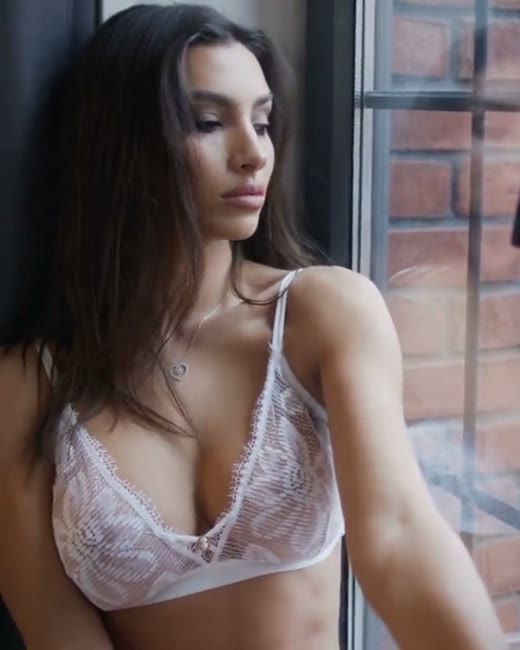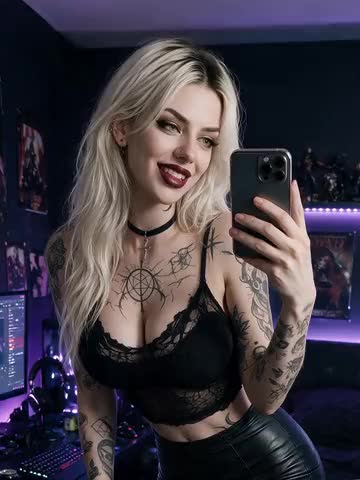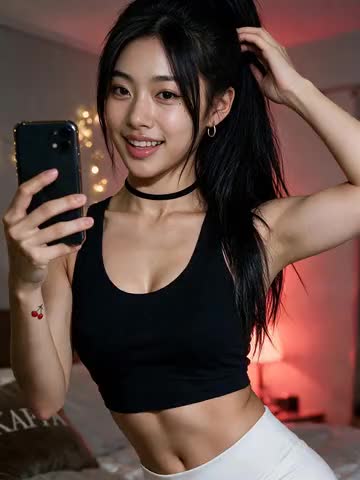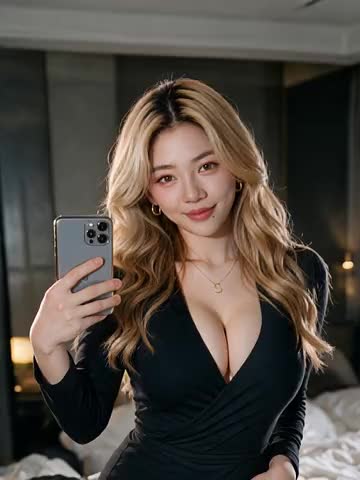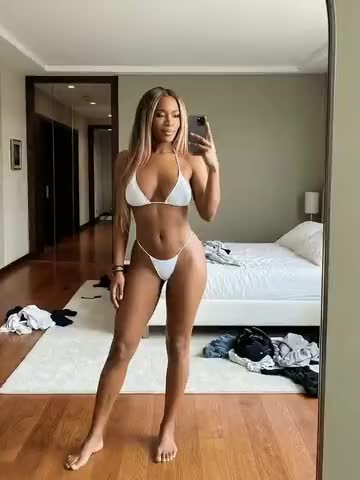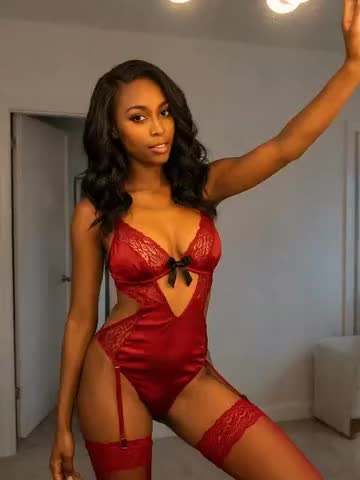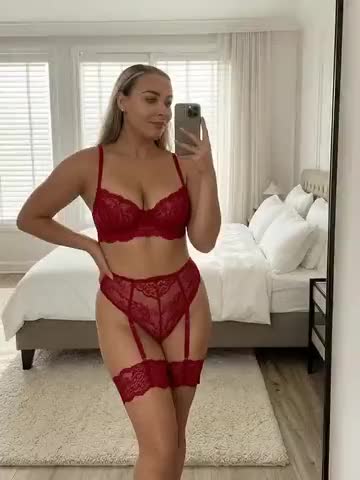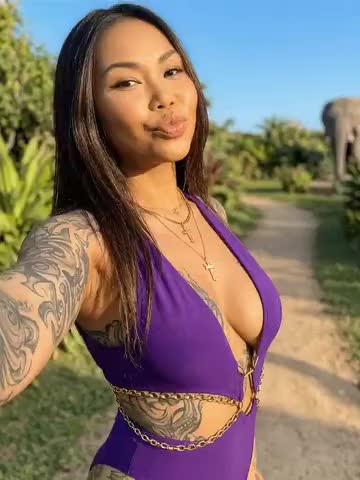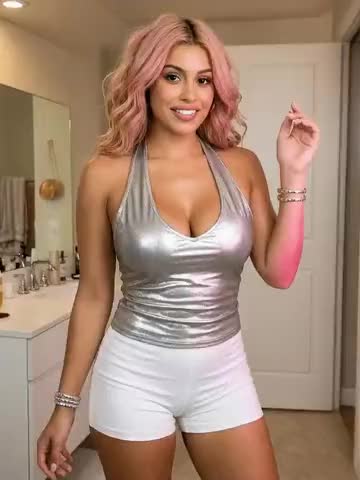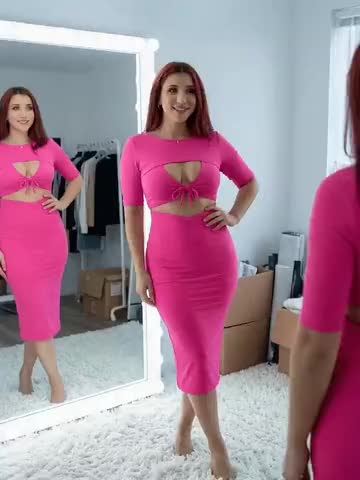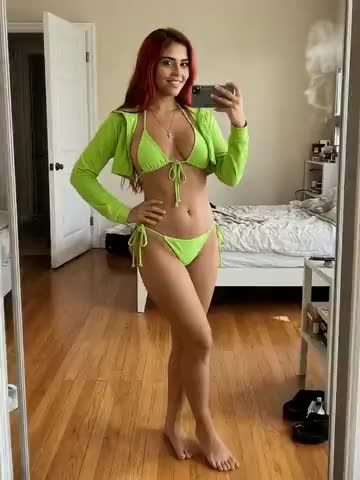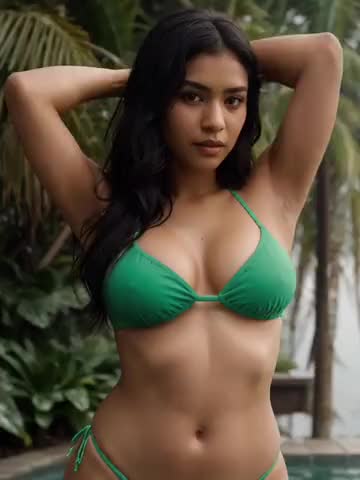
An AI fitness influencer is a generated persona built around training, physique and routine, run as a business by someone who never appears on camera. Fitness is one of the better niches for it because the audience already follows people for aspiration, and aspiration is what a generated character delivers well. It also pays in more than one way, which most niches do not. This guide covers the sub-niche choice, the build, the income lines, growth, and the claims you must not make, so you can judge whether an AI fitness model suits your plan before you spend a week generating images.
Why does fitness suit an AI persona?
Fitness content is visual, repetitive in format, and built around one consistent body. Gym mirror shots, meal prep, a morning routine, a before-and-after of a programme: each is a template you can reproduce with the same character in new settings. A human creator has to train, film and edit every one of those. A persona needs a prompt and a locked face.
The audience also tolerates polish. Followers of a fitness account expect an idealised physique and a curated feed, so a persona that looks slightly too good reads as normal for the category. That is not true of a candid lifestyle niche, where AI skin and lighting get noticed quickly.
The catch is that fitness audiences study bodies. Proportions that shift between posts, or a face that drifts, get spotted fast. If you are weighing niches on this basis, our comparison of the most profitable AI influencer niches puts fitness next to the alternatives.
Which sub-niche should an AI gym influencer pick?
“Fitness” is too wide to win. Pick a lane with its own audience, its own vocabulary and its own communities:
| Sub-niche | Content that carries it | Audience tone |
|---|---|---|
| Strength and bodybuilding | Lifting sessions, physique check-ins, gym settings | Competitive, detail-obsessed |
| Yoga and mobility | Studio and outdoor sequences, morning routines | Calm, wellness-led |
| Home workouts | Short routines, minimal equipment, small spaces | Practical, beginner-friendly |
| Running and endurance | Trail and track settings, race-prep posts | Disciplined, data-minded |
| Wellness lifestyle | Meals, recovery, travel, daily rituals | Aspirational, broad |
The sub-niche decides the persona’s wardrobe, locations, captions and voice, so choose it before you generate anything. A pilates persona and a powerlifting persona share a pipeline and almost nothing else. The specific one wins because followers feel it was made for them.
How do you build an AI fitness influencer?
Four steps, in this order.
- Write the character brief. Name, adult age, body type, home city, training background and a personality that will carry captions. Define the physique precisely, because in fitness the body is the brand.
- Lock the look. Generate a master reference set, then train or configure whatever your stack uses to keep the face and proportions fixed. Our guide to a consistent AI character covers the seed, prompt and LoRA methods tool by tool. Fitness is less forgiving than most niches here.
- Build the library. Before launch, produce a few hundred images and a set of short clips: training scenes, lifestyle shots, outfit and location variety. Motion matters. A five-second clip of a lift or a stretch lifts a feed from slideshow to something believable.
- Open the accounts and the monetisation profile, then post on a fixed schedule.
Realism comes from restraint. Skip the glossy studio look in every frame and prompt for gym lighting, a phone-camera angle, a slightly worn bench. Perfect rendering is the tell.
How does an AI fitness influencer make money?
Fitness opens three lines at once, which is its real advantage over single-stream niches.
Brand sponsorships. Apparel, supplements, equipment and apps all buy influencer placements, and fitness is one of the heavier spenders. A persona needs a real, engaged following before a brand will pay, so this line opens last. Disclose every sponsored post under the FTC’s influencer disclosure guidance.
Fan subscriptions. The most engaged followers pay for premium content on a platform such as Fanvue, which takes 20% on subscriptions, the same cut as OnlyFans. Your sub-niche shapes what that premium tier looks like: extended routines, behind-the-scenes sets, personalised replies.
Digital products. Programmes, meal plans and guides turn the persona’s training framing into something sellable once. This is where the health-claim rules below bite hardest.
Earnings depend on audience and consistency, not on the niche label. Treat any specific monthly figure as a range with a wide spread, and read the economics of AI influencers for the cost and revenue mechanics before you model your own.
How do you grow an AI fitness persona?
Fitness audiences cluster in identifiable places: Instagram and TikTok for short training content, YouTube Shorts for routines, and niche subreddits and forums for the specific sub-niche. That makes targeting easier than in a vague niche, because you know where your followers already spend time.
Post consistently, reply to comments, and let the sub-niche shape the content rather than chasing every trend. Channel-by-channel tactics are in our AI influencer marketing guide, and the short-video playbook is in the TikTok growth guide.
Expect a slow start. The first stretch goes into design, the library and early posting, with little income because there is no audience yet. Brand deals only arrive once a following exists. Operators who budget for months of audience-building reach the point where several income lines open together, and those who expect a sponsor in month one quit before then.
What claims must a fitness persona avoid?
Fitness is regulated ground in a way most niches are not, and three rules matter.
- No medical or health promises. Do not claim a programme cures, treats or reverses a condition, and do not promise specific weight loss or muscle gain. Misleading health claims invite regulator attention and platform removal.
- No nutrition or medical advice without qualifications. Present content as motivation and entertainment. If the persona sells meal plans, a qualified human should stand behind them.
- Label the persona as AI where required. Platforms and advertising rules expect disclosure, so put it in the bio rather than hiding it. Our legal guide for AI creators goes through the UK and US detail.
These work as a quality bar as much as a restriction. A persona that is honest about what it is and careful about what it claims builds the trust that both brands and subscribers pay for.
Should you build it yourself or have it built?
Doing it yourself is realistic. You need a generation stack, a consistent physique, a content library and a promotion routine, and the learning curve sits mostly in the consistency step. Many operators start that way.
The alternative is to start with a finished persona and a running content pipeline, and spend your time on promotion, the one input that grows the account. Hunaipot builds the persona, produces the content and sets up the platform, which suits operators who want to run an AI fitness influencer without learning the tooling or appearing on camera. Get your AI creator built for you.